Important Notice The content on this website is for craft and hobby purposes only. Results may vary based on individual skill, materials, and conditions. We do not guarantee specific outcomes from following our guides.

Tools and Guides for Grapevine Wreath Makers

Everything you need to harvest, prepare, and shape wild grapevines into lasting wreath bases. No guesswork. No unnecessary purchases. Just the essentials that actually matter.

View tutorials
47K+ Monthly readers
89% Maker retention

How to Harvest and Prepare Grapevines for Wreath Making

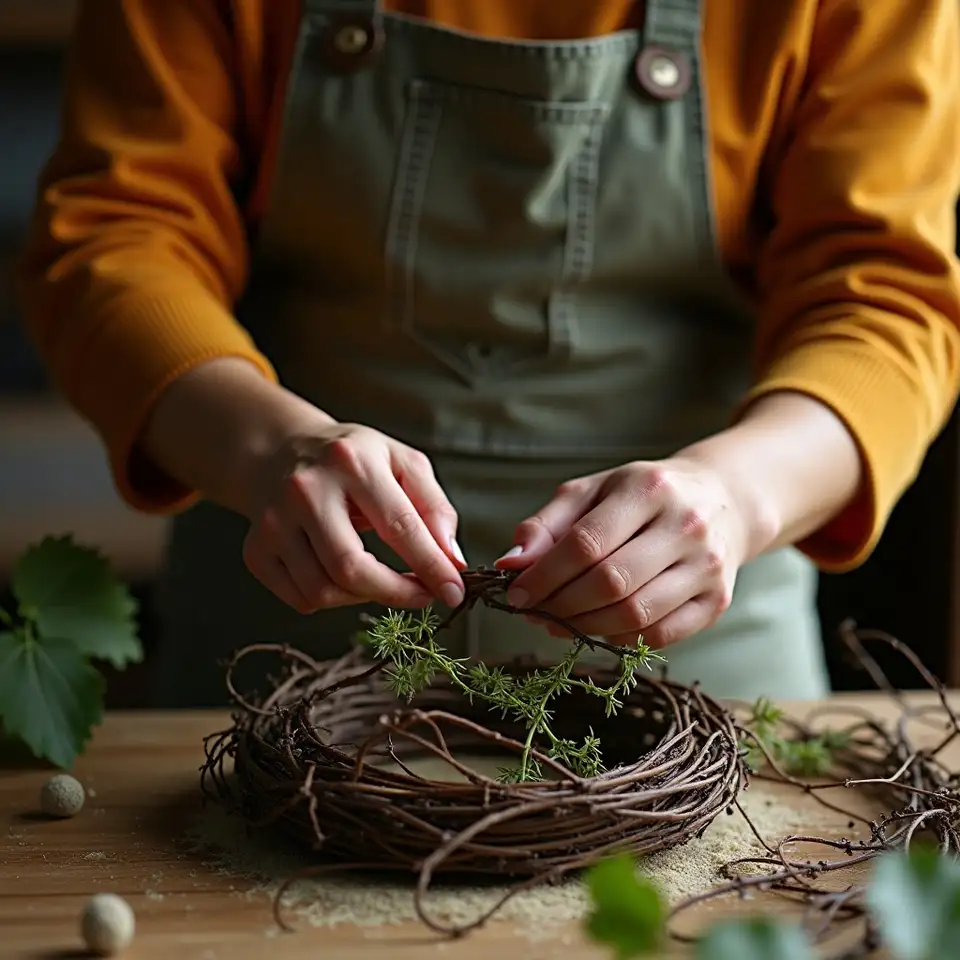
The wreath is only as good as the vine beneath it. Harvest too early and the sap makes bending impossible. Cut too late and the wood dries brittle. Our three-phase preparation method eliminates the common failures that ruin first attempts and waste good material.
Seasonal Wreath Crafting Calendar

What to harvest, what to make, and what to avoid during each season of the grapevine wreath maker's year.

Winter Harvest Window

Harvest

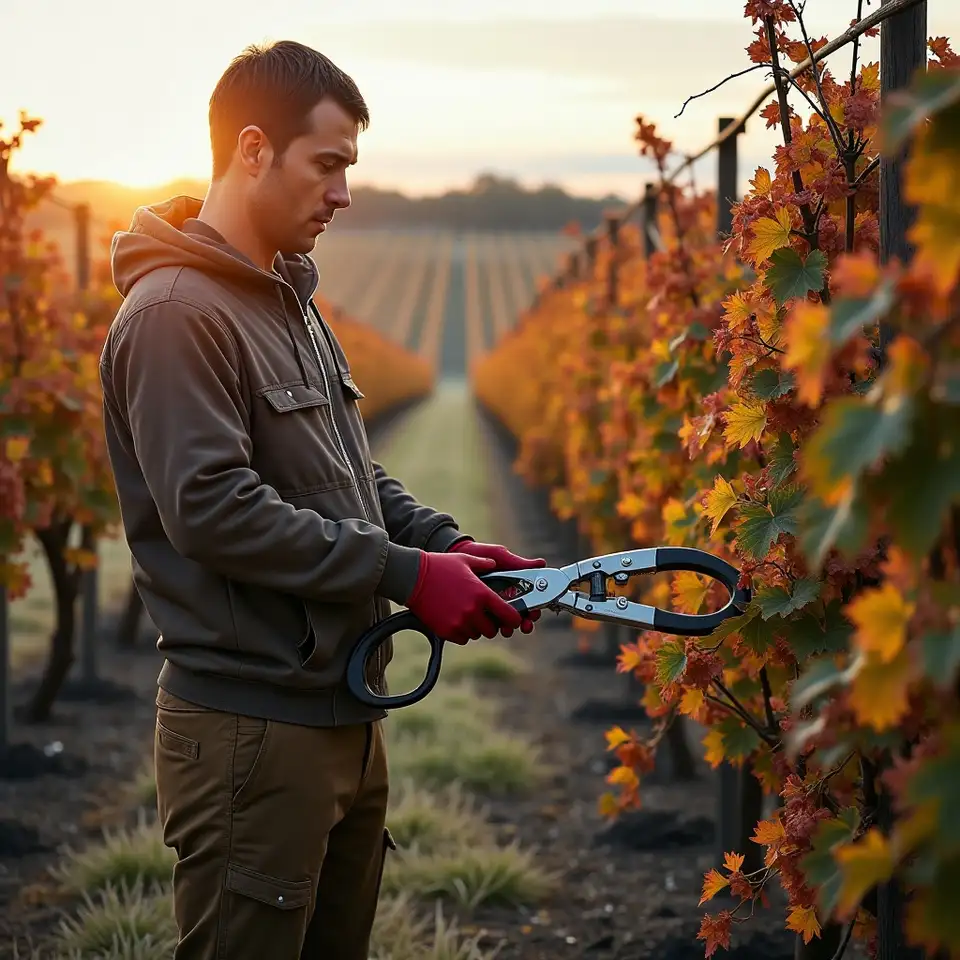
June through August is the prime cutting season across temperate Australia. Dormant vines contain minimal sap, bend predictably, and store well for year-round use. Collect more than you think you need. Properly stored bundles stay workable for months.

Identify vines Cut bundles Store dry
Easy

Spring Base Preparation

Prep

As temperatures rise, stored vines may dry further and become brittle. Re-soak before weaving. Spring is ideal for forming multiple bases in advance, leaving them to dry slowly before the decorating season begins.

Rehydrate vines Weave bases Air dry
Medium

Summer Decorating Push

Decorate

Finished bases are lightweight and porous, perfect for dried lavender, coastal grasses, and sun-bleached botanicals. Avoid fresh flowers in humid conditions. They wilt quickly and can stain the vine with moisture.

Select dried materials Attach securely Hang in shade
Easy

Autumn Technique Refinement

Advance

Cooler weather brings slower drying and more forgiving working conditions. This is the season to experiment with complex shapes, multi-vine layering, and larger forms that would warp in summer heat.

Try new shapes Layer vines Document results
Hard
Explore techniques

Reference

Wreath Making Terms

A practical dictionary of grapevine craft terminology, material types, and decorative elements used throughout our guides and community discussions.

A grapevine that has shed its leaves and entered winter rest. The reduced sap flow makes the wood flexible and ideal for harvesting and weaving into wreath bases.

Material

The period cut vines spend submerged in water to restore flexibility before shaping. Insufficient soaking leads to cracking. Excessive soaking weakens the fiber structure.

Process

The active portion of the vine being manipulated during weaving, as opposed to the anchored tail that forms the initial loop and core structure of the wreath.

Technique

The point where tension between spiraled vine layers becomes self-sustaining, holding the wreath shape without additional fasteners, adhesives, or wire frames.

Technique

The thin, spiral appendages grapevines use to climb and anchor. These must be stripped before weaving as they create weak points and irregular texture in the finished base.

Material

The process of allowing a finished wreath base to lose moisture slowly in a ventilated space. Rapid drying causes warping and tension loss.

Process

The heft and density of a finished grapevine wreath form, determined by vine thickness, coil tightness, and overall diameter. Heavier bases support more embellishment.

Structure

The natural longitudinal fiber alignment within a vine segment. Weaving with the grain produces smoother curves. Working against it increases cracking risk.

Technique

Any dried or preserved plant material added to a grapevine base for seasonal decoration, including seed pods, grasses, flowers, and foliage.

Decorate

The selective removal of damaged, diseased, or overly woody segments from harvested material before storage or soaking.

Process

The open areas within and around a wreath design that contribute to visual balance. Grapevine bases naturally create organic gaps that skilled makers exploit.

Design

The practice of stripping a decorated wreath back to its base and re-embellishing it for a different season or occasion.

Decorate

Wreath Care and Storage

How long does a grapevine base last

A properly formed and dried base can last five to ten years or longer if stored in a dry, ventilated space away from direct sunlight and humidity.

Can I store wreaths in plastic

Avoid sealed plastic containers which trap moisture and encourage mold. Use breathable fabric bags, open cardboard boxes, or hang wreaths in a dry closet.

Why is my base losing shape

Warping usually indicates uneven drying or exposure to humidity. Re-soak the base briefly, reshape by hand, and allow it to dry flat with gentle weight on the coil.

How do I clean a dusty wreath

Use a soft brush or hair dryer on a cool, low setting. Avoid water or cleaning products which can stain natural materials and weaken dried embellishments.

Can I repair a cracked base

Minor cracks can be reinforced by wrapping thin soaked vine around the damaged area. Severe structural breaks may require dismantling and reweaving the affected section.

Should I treat vines with preservative

Preservatives are unnecessary for indoor use and may alter the natural color and texture. Proper drying and storage provide adequate longevity without chemical treatment.

How do I prevent pest damage

Inspect stored wreaths seasonally. Cedar blocks or dried lavender sachets provide natural deterrence. Freezing finished pieces for forty-eight hours kills any hidden larvae.

Can outdoor wreaths be preserved

Grapevine bases are not weatherproof. Outdoor display accelerates deterioration from moisture and UV exposure. Limit outdoor use to short periods and bring inside during rain.